Transform your tank into a thriving ecosystem
Howard Parker’s science-backed strategies help aquarists at every level build stable, beautiful aquariums — from freshwater planted setups to full reef systems. No guesswork. No generic advice.
Everything under the surface
Pick a hub and dive straight into species care, breeding and water science.
Tetra Fish
Neon, cardinal, ember and beyond — species care, schooling, breeding and ideal tank mates.
Explore Tetra FishAngelfish
From eggs and fry to adult pairs — growth, spawning, behaviour and long-term health.
- Best Large Angelfish For A Fish Only Tank
- Best Freshwater Angelfish Tank Mates For A Community Tank
- Best Dwarf Angelfish For Beginners
Freshwater Fish
Species profiles, compatibility and care for peaceful, colourful freshwater community tanks.
Explore Freshwater FishAquarium Guides
Water chemistry, planted tanks, lighting, dosing and reef systems — explained step by step.
Explore Aquarium GuidesLatest aquarium guides
Our newest articles on fish care, breeding, plants and healthier water.
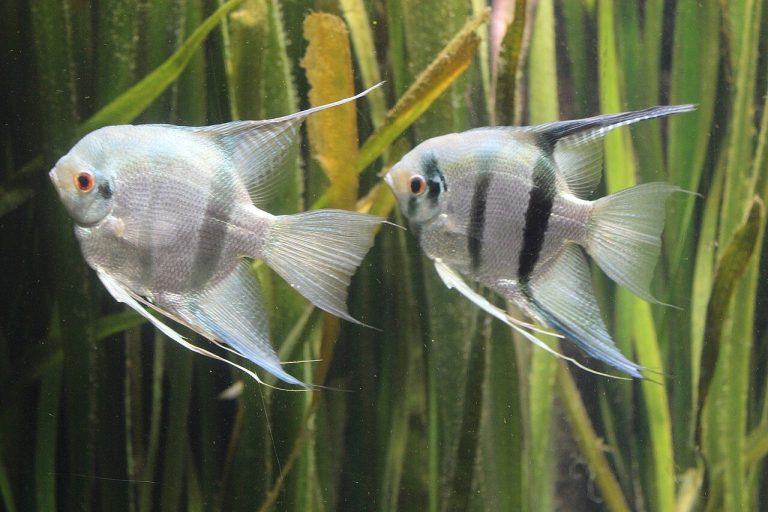
Best Large Angelfish For A Fish Only Tank – The Ultimate Guide
The best large angelfish for a fish only tank are the Emperor, Queen, and French angelfish, which offer eye-catching colors and bold…
Read guide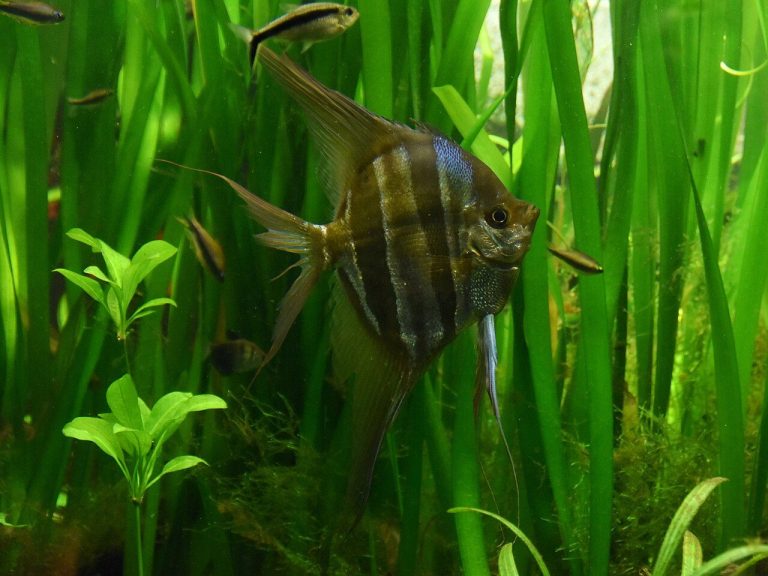
Best Freshwater Angelfish Tank Mates For A Community Tank
The best freshwater angelfish tank mates for a community tank are peaceful, mid-to-large schooling fish like larger tetras, corydoras catfish, and bristlenose…
Read guide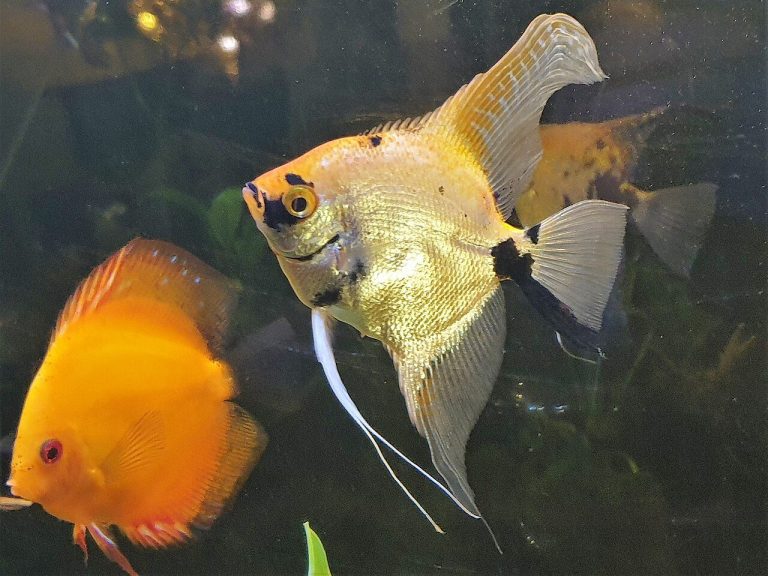
Best Dwarf Angelfish For Beginners – Top Picks and Tips
The best dwarf angelfish for beginners are the Coral Beauty (Centropyge bispinosa) and the Cherub Angelfish (Centropyge argi). These species are celebrated…
Read guide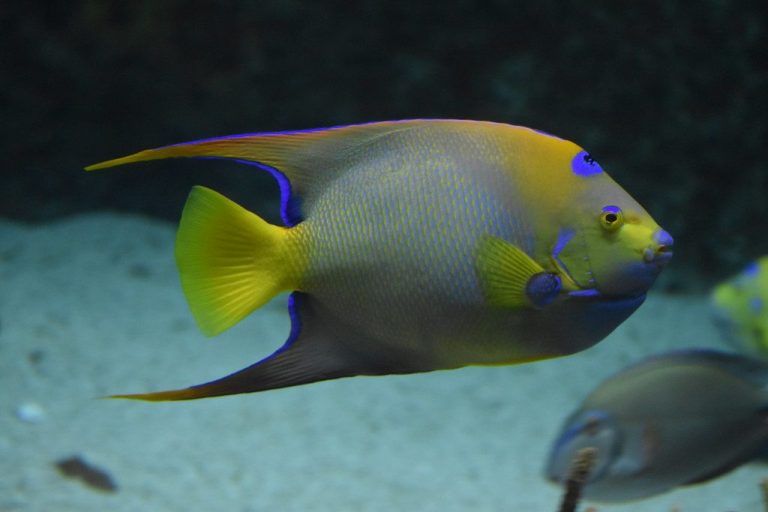
Best Angelfish For A Nano Reef Tank – Setup Checklist
The best angelfish for a nano reef tank are the Atlantic Pygmy (Centropyge argi) and the African Flameback (Centropyge acanthops). These species…
Read guide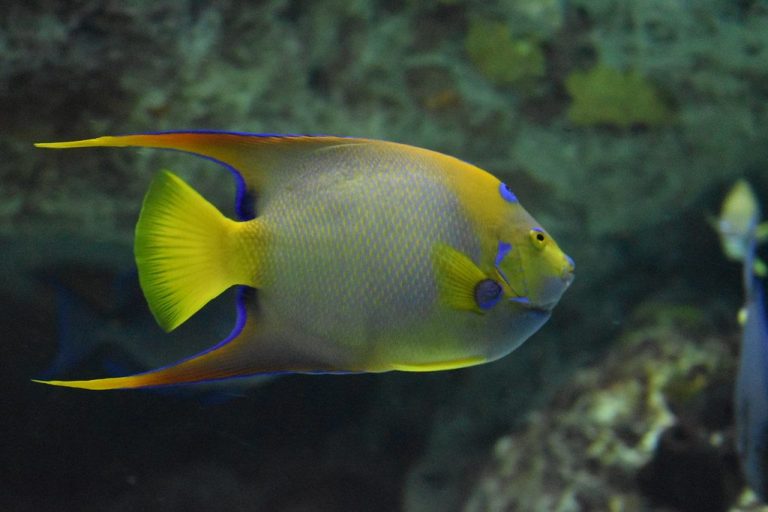
Best Angelfish For A Beginner Reef Tank – A Comprehensive Guide
The best angelfish for a beginner reef tank are hardy dwarf species like the Coral Beauty or Cherub Angelfish, and planktivorous species…
Read guide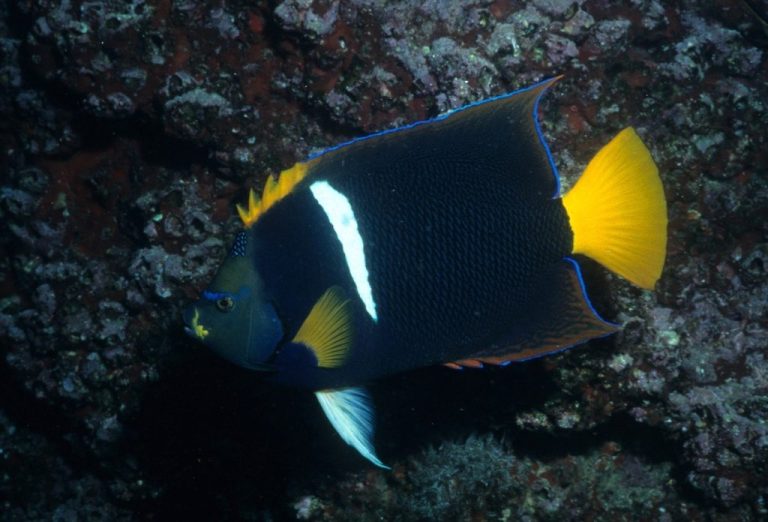
Best Angelfish For A Reef Tank – Setup Checklist
The best angelfish for a reef tank are Genicanthus species, such as the Bellus or Lamarck's Angel, which are strictly planktivorous. Dwarf…
Read guide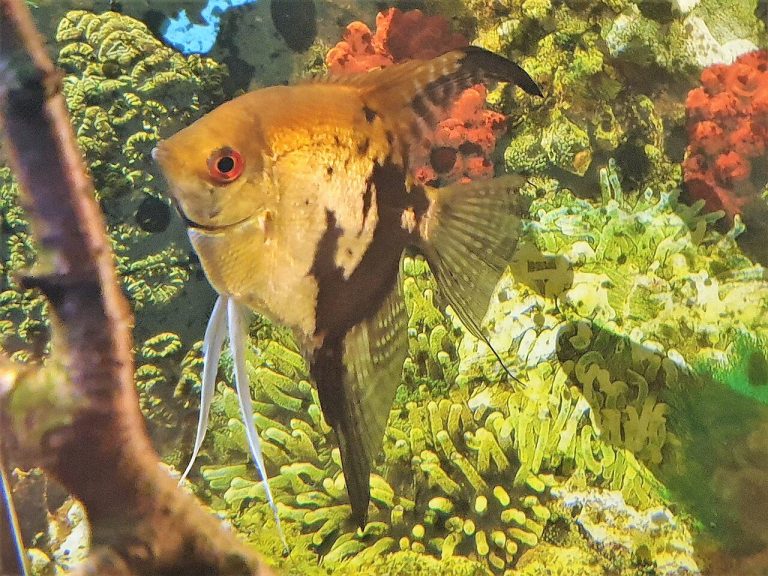
Angelfish Feng Shui Meaning – Explained Simply
In Feng Shui, angelfish symbolize grace, tranquility, and the smooth flow of wealth and positive energy. Placing an angelfish aquarium strategically can…
Read guide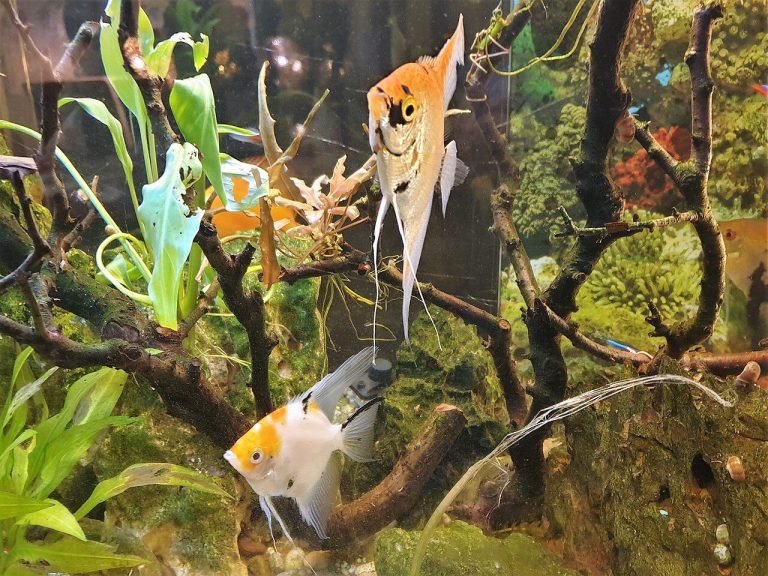
What Does A Black Angelfish Symbolize – Explained Simply
A black angelfish symbolizes protection, mystery, and formal elegance. In many cultures and Feng Shui practices, these dark-hued fish are believed to…
Read guide
What Does A Red Angelfish Symbolize – Explained Simply
A red angelfish symbolizes vitality, passion, and prosperity. In many cultures, these colorful fish are believed to attract positive energy, good luck,…
Read guideSelected reading: raising angelfish
Three focused guides that follow the journey from eggs and hatching to growing angelfish.
- 01
Stages Of Angelfish Eggs – Breeding Guide
The stages of angelfish eggs progress from tiny, adhesive spheres laid on a surface, through several days of embryonic development within the egg, to the emergence…
Read guide - 02
How Long Does It Take For Angelfish Eggs To Hatch
Angelfish eggs typically hatch within 48 to 60 hours after being laid, provided the water temperature remains stable between 80°F and 82°F. Proper aeration and fungus…
Read guide - 03
How Fast Do Angelfish Grow – Size and Growth Facts
Angelfish grow rapidly, reaching 2 to 4 inches within the first six months. Most reach their full adult size of 6 inches long and 8 to…
Read guide
Built on real tanks, real failures, real results
No theory borrowed from textbooks — every strategy was refined in actual aquariums.
Elimination strategy
Learn exactly what to stop doing — the common mistakes that silently waste money, stress fish and kill tanks.
Science-backed methods
Grounded in aquatic biology and chemistry. No myths or forum hearsay — cause-and-effect understanding.
Implementation ready
Step-by-step instructions you can apply immediately, with guidance for retrofitting existing tanks.
Scalable expertise
From a first 10-gallon tank to an advanced reef — strategies that scale with your ambition.
Insider techniques
Professional-grade methods that rarely appear on general-purpose forums or retail sites.
No sponsored picks
Howard recommends only what he personally uses and tests — full transparency, always.
Six masterclasses. Every aquarium type.
Comprehensive guides that go beyond surface-level advice — into the biology, chemistry and craft of thriving aquariums.
The Complete Aquarium Masterclass Collection
All six premium masterclasses in one digital collection — ecosystem foundations, aquascaping, fish care, plant optimization, problem elimination and advanced techniques.
Ecosystem Foundations
The science behind stable aquariums — nitrogen cycling, water parameters and filtration from first principles.
- Complete nitrogen cycle
- pH, KH & GH science
- Substrate selection
- Filtration architecture
Aquascaping Mastery
Transform tanks into living art with composition, hardscape placement and plant positioning.
- Golden ratio design
- Hardscape placement
- Visual hierarchy
- Aesthetic balance
Fish Care Excellence
Compatibility, behaviour, breeding strategies and disease prevention for every species.
- Species compatibility
- Behavioural mastery
- Breeding strategies
- Disease prevention
Plant Optimization
Lighting science, nutrient formulation and CO₂ management for thriving planted tanks.
- Lighting science & PAR
- Nutrient formulation
- CO₂ mastery
- Growth acceleration
Problem Elimination
Algae, cloudy water and fish stress — root-cause analysis and prevention systems.
- Algae identification
- Root cause analysis
- Water quality issues
- Prevention systems
Advanced Techniques
High-tech systems, authentic biotopes, competition prep and advanced experimentation.
- High-tech setup
- Biotope authenticity
- Competition prep
- Research framework
What two decades in the hobby teaches you
The 72-hour window
The first 72 hours after setup shape the long-term trajectory of a tank. Get this window right and maintenance becomes far easier.
The stability equation
Stable tanks aren’t maintained — they’re designed. Balanced systems from the start keep aquariums thriving for years.
Biological intelligence
Beneficial bacteria aren’t a side effect — they’re the engine. Cultivate them and your tank becomes self-sustaining.
Water is everything
Master water chemistry and most common problems disappear. Fish loss, algae and plant failure usually trace back to water quality.
Everything you need to know
Still curious? Reach Howard directly through the contact page.
How is this different from other aquarium resources online?
Most aquarium content tells you what to do without explaining why. Every guide here explains the reasoning behind each step, so you can adapt it confidently to your own tank.
Can these strategies work in my existing tank?
Yes. Some steps are easiest during initial setup, but most work on established tanks too — the guides and masterclasses include notes on applying changes gradually.
I’m a complete beginner — where do I start?
Start with the Aquarium Guides category and Masterclass 01 (Ecosystem Foundations). Both build from first principles: the nitrogen cycle, water parameters and filtration.
Which aquarium types are covered?
Planted freshwater, community tanks, cichlid setups, brackish systems, saltwater and reef tanks.
What if I get stuck on something specific?
Every masterclass includes troubleshooting sections for common sticking points, and you can always reach Howard through the contact page.
Have a fish, plant or water problem we haven’t covered?
Tell us about your setup. The most-asked questions become our next in-depth guides.